.avif)



.avif)


.webp)


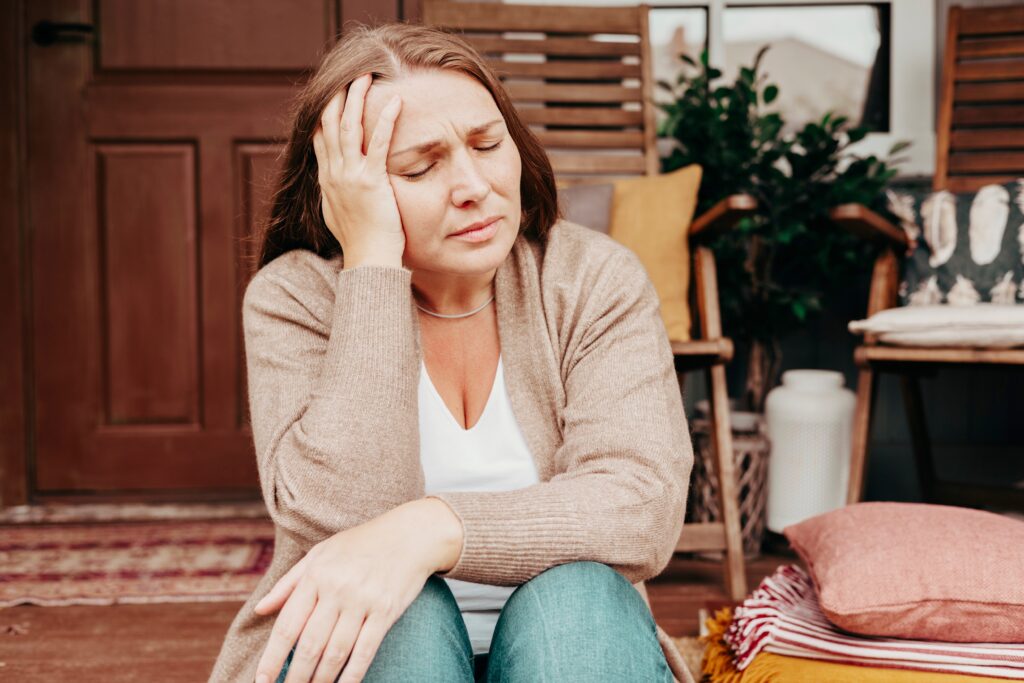
The 34 symptoms of perimenopause range from hot flashes and mood swings to brain fog, weight gain, irregular periods, and vaginal dryness, all caused by fluctuating estrogen and progesterone levels during the years before menopause. Approximately two million women in the United States begin perimenopause each year, according to a cross-sectional study published on medRxiv, and 80 percent of midlife women experience symptoms that affect their quality of life, relationships, and careers. This blog walks through all 34 symptoms by category, explains what causes them, covers which symptoms are unusual and which conditions get mistaken for perimenopause, and outlines when it is time to get help.
Perimenopause is the transitional phase leading up to menopause when the ovaries gradually produce less estrogen and progesterone. The medical community has identified 34 distinct symptoms associated with this hormonal transition, spanning the brain, bones, cardiovascular system, digestive tract, skin, and reproductive organs. The sheer number of symptoms surprises most women because estrogen receptors exist in nearly every tissue in the body. When estrogen levels fluctuate and eventually decline, every system that relies on estrogen stability gets disrupted.
Perimenopause typically begins in the mid-40s, with a median age of onset around 45 years, according to research published in medRxiv. The transition lasts 4 to 8 years on average, though some women experience symptoms for up to 10 years. The Cleveland Clinic reports that the average age of menopause in the United States is 51, meaning the perimenopausal window stretches from the early-to-mid 40s through the early 50s for most women.
The hormone decline during perimenopause is not smooth or gradual. Estrogen and progesterone levels spike and plummet unpredictably, sometimes surging higher than normal before dropping sharply. These erratic fluctuations are what produce the wide range of symptoms. Progesterone typically declines first, which creates a temporary state of estrogen dominance that contributes to heavier periods, breast tenderness, bloating, and mood instability. Estrogen then follows with its own decline, producing vasomotor symptoms like hot flashes and night sweats alongside hormonal imbalance effects across multiple body systems.
Perimenopause feels different for every woman, but the most common experience is a sense that your body is no longer operating the way it always has. Energy drops without explanation. Sleep becomes lighter and less restorative. Moods shift without an obvious trigger. Weight appears around the midsection despite no changes in diet or exercise. Periods become unpredictable in timing and flow. Research published in the journal npj Women's Health found that significant symptom burden appears even in women aged 30 to 45, well before the stereotypical age most women expect symptoms to begin.
A study published by the Study of Women's Health Across the Nation (SWAN) found that hot flash prevalence rises from approximately 39 percent in the early menopause transition to a cumulative rate of 67 percent as the transition progresses. The 34 symptoms fall across three major categories: neuroendocrine and emotional symptoms, physical symptoms, and vulvovaginal and urinary symptoms. Some women experience only a handful. Others deal with symptoms from all three categories simultaneously.
The neuroendocrine and emotional symptoms of perimenopause include mood swings, irritability, anxiety, depression, brain fog, difficulty concentrating, insomnia, decreased libido, and panic attacks. These symptoms occur because the brain contains a high concentration of estrogen receptors, particularly in regions that regulate mood, memory, sleep, and emotional processing. When estrogen levels drop, neurotransmitter systems that depend on estrogen, including serotonin, dopamine, and gamma-aminobutyric acid (GABA), become less efficient.
Brain fog is one of the most frustrating cognitive symptoms. Women describe it as thinking through a haze, losing words mid-sentence, forgetting familiar names, and struggling to multitask. A study published by the medRxiv research group found that 59 to 65 percent of perimenopausal women experience psychological symptoms that impair daily functioning, diminish quality of life, and reduce work productivity.
Anxiety during perimenopause can range from mild unease to full panic attacks. The hormonal shifts affect the brain's stress-regulation pathways, making the nervous system more reactive to everyday stressors. Depression can develop as a direct result of hormone fluctuations or as a secondary effect of chronic sleep disruption and fatigue. These emotional health changes often get attributed to life stress rather than hormonal shifts, which delays proper evaluation and treatment.
Yes, perimenopause can cause anxiety and depression through its direct effects on brain chemistry. Estrogen modulates serotonin production and receptor sensitivity in the brain. When estrogen declines, serotonin activity drops, producing symptoms that overlap significantly with clinical anxiety and depressive disorders. Insomnia compounds the problem because sleep deprivation further destabilizes mood and cognitive function. Women who have a history of premenstrual mood sensitivity or postpartum depression appear to be at higher risk for perimenopausal mood disorders, according to data from the American College of Obstetricians and Gynecologists.
The physical symptoms of perimenopause include hot flashes, night sweats, irregular periods, heavy periods, weight gain, joint pain, muscle tension, headaches, breast tenderness, hair loss, brittle nails, itchy skin, dizziness, heart palpitations, body odor changes, and decreased muscle mass. These symptoms arise because estrogen receptors exist throughout the musculoskeletal, cardiovascular, integumentary, and thermoregulatory systems.
Hot flashes and night sweats are classified as vasomotor symptoms (VMS). They occur when declining estrogen disrupts the hypothalamus, the brain's thermoregulatory center. The hypothalamus misinterprets normal body temperature as overheating and triggers a cooling response: blood vessels dilate, the skin flushes, and sweat production increases. Research from the Canadian Multicentre Osteoporosis Study found that vasomotor symptoms peak at 79 percent in late perimenopause.
Weight gain during perimenopause concentrates around the abdomen because declining estrogen shifts fat storage patterns from the hips and thighs to the midsection. Approximately 43 percent of menopausal women have obesity, according to data compiled by Midi Health. This visceral fat accumulation increases cardiovascular risk and promotes insulin resistance, creating a metabolic cascade that goes well beyond cosmetic concern.
Bone loss accelerates during the perimenopausal transition because estrogen signals osteoblasts (bone-building cells) to maintain bone density. Data from Weill Cornell Medicine reports that women lose an average of 25 percent of their bone mass from menopause to age 60. Approximately 50 percent of women over age 50 will experience a fracture related to osteoporosis. A study published in Diagnostics found that 25 percent of perimenopausal women experience particularly accelerated bone mineral density loss, and the SWAN study documented average lumbar spine BMD decline of 2.5 percent per year during the rapid bone-loss phase.
Joint pain and muscle tension develop because estrogen helps maintain cartilage integrity and reduces systemic inflammation. As estrogen drops, inflammatory markers rise, producing stiffness and aches that many women mistake for early arthritis. Headaches, particularly migraines, can worsen or appear for the first time during perimenopause because estrogen fluctuations affect cerebral blood vessel tone and pain-signaling pathways.
Yes, perimenopause causes weight gain through multiple hormonal and metabolic pathways. Declining estrogen reduces metabolic rate, shifts fat storage to the abdomen, and decreases lean muscle mass. Lower progesterone levels increase water retention and bloating. Disrupted sleep from night sweats elevates cortisol, which further promotes visceral fat storage. Insulin sensitivity decreases as estrogen drops, making the body more efficient at storing calories as fat. A weight management approach that addresses these hormonal root causes produces better results than calorie restriction alone.
CategorySymptomsPrimary Hormonal DriverNeuroendocrine / EmotionalMood swings, irritability, anxiety, depression, brain fog, difficulty concentrating, insomnia, decreased libido, panic attacksEstrogen decline affecting serotonin, dopamine, and GABAVasomotorHot flashes, night sweatsEstrogen decline disrupting hypothalamic thermoregulationMenstrual / ReproductiveIrregular periods, heavy periods, breast tenderness, decreased fertilityProgesterone decline first, then estrogen; anovulatory cyclesMusculoskeletalJoint pain, muscle tension, decreased muscle mass, bone lossEstrogen decline reducing collagen, cartilage, and osteoblast activityMetabolic / CardiovascularWeight gain, heart palpitations, dizzinessEstrogen decline affecting insulin sensitivity, heart rate regulation, blood pressureIntegumentaryHair loss, brittle nails, itchy skin, body odor changes, headachesEstrogen decline reducing collagen and keratin productionVulvovaginal / UrinaryVaginal dryness, urinary incontinence, recurring UTIs, painful intercourseEstrogen decline thinning vaginal and urethral tissueUnusual / Less CommonBurning mouth, tinnitus, electric shocks, tingling extremities, bleeding gums, changes in tasteEstrogen decline affecting nerve conduction, oral tissue, inner ear function
Sources: Cleveland Clinic, SWAN study, Canadian Multicentre Osteoporosis Study, Weill Cornell Medicine, American College of Obstetricians and Gynecologists, npj Women's Health
The vulvovaginal and urinary symptoms of perimenopause include vaginal dryness, painful intercourse (dyspareunia), urinary urgency and frequency, stress incontinence, recurring urinary tract infections (UTIs), and increased susceptibility to bacterial vaginosis. These symptoms develop because declining estrogen causes the vaginal and urethral tissues to become thinner, less elastic, and more fragile. Reduced estrogen also alters vaginal pH and disrupts the natural bacterial flora that protects against infection.
Vaginal dryness affects a significant proportion of perimenopausal women and often goes unreported because of embarrassment or the assumption that nothing can be done. Reduced lubrication makes intercourse uncomfortable or painful, which contributes to decreased libido and can strain intimate relationships. Urinary symptoms develop through the same mechanism because the urethra shares estrogen receptors with vaginal tissue. Women who experience recurrent UTIs during perimenopause should have their hormone levels evaluated alongside standard urinary workup, because the tissue changes from estrogen decline are often the underlying driver.
Odd signs of perimenopause include burning mouth syndrome, tinnitus (ringing in the ears), electric shock sensations, tingling or numbness in the hands and feet, bleeding gums, changes in taste perception, and formication (a crawling sensation on the skin). These symptoms are less common than hot flashes or mood swings, but they are well-documented in naturopathic medicine and menopause research. They affect an estimated 10 to 30 percent of women during the perimenopausal transition.
Burning mouth syndrome produces a scalding, tingling, or numb sensation in the mouth and tongue because oral tissues contain estrogen receptors that become less responsive as hormone levels decline. Tinnitus occurs because estrogen helps maintain blood flow and function in the delicate structures of the inner ear. Electric shock sensations happen when hormonal fluctuations affect the nervous system's electrical conduction pathways. These symptoms can be alarming, but they typically improve as hormones stabilize after menopause.
Perimenopause is often mistaken for thyroid dysfunction, clinical depression or anxiety disorders, iron deficiency anemia, chronic fatigue syndrome, autoimmune conditions, and early-onset diabetes. The symptom overlap is significant because estrogen influences the same body systems affected by these conditions.
Thyroid issues are the most common misdiagnosis. Hypothyroidism produces fatigue, weight gain, brain fog, hair loss, and mood changes, which mirror perimenopause almost exactly. What makes the overlap even more complicated is that declining estrogen directly affects thyroid binding globulin (TBG), which means perimenopause can actually alter thyroid function. A woman may have both perimenopause and a developing thyroid imbalance simultaneously, and testing for only one misses the other.
Iron deficiency anemia frequently develops alongside perimenopause because heavier, more irregular periods cause greater blood loss. The resulting fatigue, brain fog, and dizziness get attributed to hormonal changes alone when iron stores are actually depleted. Depression and anxiety disorders share so many symptoms with perimenopausal mood changes that distinguishing between hormonal and psychiatric causes requires comprehensive evaluation.
This is why comprehensive testing matters. A single hormone panel tells you where estrogen and progesterone levels sit at one moment. Advanced testing that evaluates thyroid function, nutrient levels (iron, ferritin, vitamin D, B12, magnesium), inflammatory markers, adrenal hormones, and metabolic panels alongside sex hormones reveals the full picture. Many women we see at our Bingham Farms clinic arrive after being told their labs are "normal" because the standard panel only measured one or two of these systems in isolation.
Perimenopause symptoms are typically worst during late perimenopause, which occurs in the late 40s through the early 50s for most women. This is the phase when estrogen fluctuations become most erratic and the decline accelerates. The Canadian Multicentre Osteoporosis Study found that vasomotor symptoms reach their peak prevalence of 79 percent during late perimenopause. Bone loss also accelerates most rapidly during this stage, with the SWAN study documenting an average lumbar spine BMD decline of 2.5 percent per year.
Late perimenopause is defined by menstrual cycles that vary by seven or more days, with periods skipped for months at a time. The interval between periods lengthens progressively until a woman reaches 12 consecutive months without a period, which marks menopause. The general progression follows a predictable sequence:
Yes, perimenopause can start in the 30s. A research study published in npj Women's Health found that a significant proportion of women report perimenopause-related symptoms as early as their 30s, and over a quarter of women aged 30 to 35 who consulted a doctor were told they were perimenopausal. Women going through premature menopause (before age 40) face additional health risks, with data from Midi Health showing a 20 to 36 percent higher risk of dementia compared to women who reach menopause at typical ages. Early onset perimenopause warrants prompt evaluation to protect long-term bone, cardiovascular, and cognitive health.
You can tell what stage of perimenopause you are in by tracking changes in your menstrual cycle and noting which symptoms have appeared. Early perimenopause is characterized by cycles that are still relatively regular but may shift in length by a few days. Flow may become heavier or lighter. Subtle symptoms like mild sleep disruption, breast tenderness, and occasional mood shifts appear. Late perimenopause involves cycles that vary by a week or more, with skipped periods lasting 60 days or longer. Hot flashes, night sweats, vaginal dryness, and cognitive symptoms intensify. Tracking your cycle length and symptom patterns for two to three months gives your provider the data needed to assess where you are in the transition.
Some women have worse perimenopause symptoms because the severity of symptoms depends on more than just hormone levels. The root-cause factors that influence how your body handles the hormonal transition determine whether perimenopause is mildly disruptive or severely debilitating. These factors include environmental toxin burden, nutrient status, adrenal health, gut microbiome composition, chronic stress load, thyroid function, and genetic variations in hormone metabolism.
Environmental toxin exposure plays an underrecognized role. Endocrine-disrupting chemicals (EDCs) like bisphenol A (BPA), phthalates, and pesticide residues interfere with estrogen receptor signaling and hormone metabolism at the cellular level. Women with higher toxin burdens often experience more severe perimenopausal symptoms because their bodies are fighting both natural hormonal decline and chemical interference simultaneously. This is one area where environmental medicine evaluation uncovers drivers that standard bloodwork never tests.
The gut microbiome directly affects estrogen levels through a collection of bacteria called the estrobolome. The estrobolome produces an enzyme called beta-glucuronidase that determines how much estrogen gets recycled back into circulation versus excreted. A disrupted gut microbiome (from antibiotics, poor diet, or chronic stress) impairs the estrobolome, causing estrogen levels to drop faster and fluctuate more wildly than they would in a woman with healthy gut bacteria.
Adrenal health matters because the adrenal glands partially compensate for declining ovarian estrogen production. Healthy adrenal glands produce dehydroepiandrosterone (DHEA), which converts to small amounts of estrogen and testosterone. Women who enter perimenopause with exhausted adrenal glands from years of chronic stress lose this compensatory buffer, which makes their estrogen decline steeper and their symptoms more severe.
Nutrient deficiencies compound every other factor. Magnesium supports over 300 enzymatic reactions including hormone production and nervous system regulation. Vitamin D functions as a hormone precursor that influences estrogen receptor activity. B vitamins support neurotransmitter synthesis. Zinc supports immune function and hormone metabolism. Women who are depleted in these nutrients before perimenopause begins have fewer biological resources to manage the transition.
The signs perimenopause is coming to an end include longer and longer gaps between periods (60 to 90 days or more), a gradual reduction in hot flash frequency and intensity, stabilizing mood patterns, and less night sweating. The transition officially ends when you have gone 12 consecutive months without a menstrual period, at which point you have reached menopause.
Some symptoms, particularly vaginal dryness, urinary changes, and sleep disruption, may persist or even worsen after menopause because they are driven by sustained low estrogen rather than fluctuating estrogen. Other symptoms like mood instability, hot flashes, and brain fog tend to improve as hormone levels stabilize at their new baseline. The timeline for symptom resolution varies widely, with some women finding relief within a year of reaching menopause and others continuing to experience vasomotor symptoms for five years or longer.
Several evidence-based strategies help perimenopause symptoms naturally by supporting the body's hormonal, metabolic, and nervous system functions during the transition:
A research review published in the NCBI found that dietary phytoestrogens at doses of 50 to 80 milligrams per day of isoflavones reduced severe hot flashes by up to 92 percent, a striking finding that demonstrates how much targeted nutrition can influence symptom severity. Cognitive behavioral therapy (CBT) has also demonstrated effectiveness for managing perimenopausal mood symptoms, anxiety, and sleep disturbances.
The signs that you need hormone replacement therapy (HRT) include severe hot flashes and night sweats that disrupt daily life and sleep, significant mood instability that does not respond to lifestyle changes, accelerating bone loss documented on DEXA scans, vaginal atrophy causing painful intercourse and recurrent UTIs, and cognitive symptoms that impair work performance. HRT is most effective when initiated during perimenopause or within the first few years of menopause.
Bioidentical hormone therapy uses hormones that are molecularly identical to the estrogen and progesterone the body produces naturally. This approach integrates more smoothly with the body's receptor systems than synthetic hormone alternatives. The decision to start hormone therapy should be based on a thorough evaluation of your individual symptom profile, risk factors, and root-cause test results.
At our practice, we combine hormone optimization with naturopathic protocols that address the underlying factors driving symptom severity, including toxin burden, nutrient depletion, gut health, and adrenal function.
Early perimenopause lasts approximately 2 to 4 years for most women, though the duration varies significantly. During this phase, menstrual cycles remain relatively regular but may shift in length by a few days. Symptoms tend to be milder, and many women do not realize they have entered perimenopause until more noticeable changes appear. The Cleveland Clinic reports that the entire perimenopausal transition averages 4 to 8 years, with some women experiencing up to 10 years of symptoms before reaching menopause.
Perimenopause is diagnosed primarily through symptom evaluation and menstrual cycle tracking rather than a single blood test. Hormone levels fluctuate so dramatically during perimenopause that a single blood draw can miss the picture entirely. A provider evaluates the pattern of menstrual cycle changes, the presence and severity of characteristic symptoms, and overall health history. Blood tests for follicle-stimulating hormone (FSH), estradiol, thyroid function, and other markers can support the clinical picture but are not definitive on their own.
The difference between perimenopause and menopause is that perimenopause is the transitional phase leading up to menopause, while menopause is a single point in time defined as 12 consecutive months without a menstrual period. During perimenopause, the ovaries still produce estrogen and progesterone, but the levels fluctuate unpredictably. After menopause, ovarian hormone production has essentially stopped, and estrogen levels stabilize at a much lower baseline. Perimenopause is when symptoms are most variable and intense; postmenopause is when they typically begin to settle.
Yes, perimenopause causes digestive problems because estrogen and progesterone influence gut motility, stomach acid production, and the composition of gut bacteria. Women may develop new bloating, constipation, diarrhea, nausea, increased gas, or food sensitivities they never had before. Progesterone in particular slows intestinal transit time, and its fluctuations during perimenopause can cause alternating constipation and loose stools. Supporting gut health with adequate fiber, fermented foods, and hydration helps stabilize digestion during the transition.
Perimenopause affects sleep through multiple pathways. Night sweats cause physical awakenings. Declining progesterone, which has natural calming and sedative properties, reduces sleep onset efficiency. Anxiety and racing thoughts from hormonal mood shifts make it harder to fall asleep. The result is lighter, more fragmented sleep with less time in the deep restorative phases that the body needs for cellular repair, immune function, and cognitive consolidation. Poor sleep then worsens nearly every other perimenopause symptom, creating a compounding cycle.
Yes, perimenopause can cause heart palpitations because estrogen helps regulate heart rate and cardiac rhythm. As estrogen declines, the heart may beat faster, skip beats, or pound noticeably, especially during or after a hot flash. Research from the British Heart Foundation confirms that palpitations are a recognized symptom of the menopausal transition. Heart palpitations during perimenopause are usually benign, but any persistent or severe palpitations should be evaluated by a healthcare provider to rule out underlying cardiovascular conditions.
Perimenopause is a natural transition, but that does not mean the symptoms are something you simply have to endure. The 34 symptoms exist because estrogen and progesterone influence virtually every system in the body, and when those hormones shift, the effects ripple outward. How severely those symptoms affect you depends on factors that go deeper than hormone levels alone, including your nutrient status, toxin exposure, adrenal health, gut function, and stress load.
A root-cause evaluation that goes beyond a basic hormone panel gives you real answers about what is driving your symptoms. At Cutler Integrative Medicine, we use comprehensive diagnostics and a naturopathic approach to identify and address the specific factors behind each patient's experience, serving women across Birmingham, West Bloomfield, Troy, and the greater Oakland County area.
If perimenopause symptoms are affecting your daily life and you want to understand what your body is telling you, reach out to our team to schedule a consultation.


.png)




.avif)
Cutler Integrative Medicine blends naturopathic and conventional care to treat the root causes of illness. Through personalized wellness plans, advanced diagnostics, and holistic therapies.
.avif)
.avif)
Copyright © 2025 Cutler Integrative Medicine. All Rights Reserved.
.avif)



.png)
%20Therapy.jpg)

.avif)
.avif)

.avif)
