.avif)



.avif)


.webp)


Yes, certain foods can help your body get rid of excess estrogen naturally. The best foods for lowering estrogen include cruciferous vegetables like broccoli and cabbage, high-fiber foods like beans and whole grains, and liver-supporting foods like leafy greens and garlic. These foods work by helping your liver break down estrogen and supporting your gut in moving it out of your body.
Too much estrogen can make you feel tired, moody, and bloated. It can also cause heavy periods, weight gain around the hips, and trouble sleeping. The good news? What you eat every day can make a big difference in how your body handles this hormone. This article will show you exactly which foods help reduce estrogen and how to add them to your meals.
Estrogen is a hormone that does many jobs in your body. It helps with your menstrual cycle, keeps your bones strong, and affects your mood. Both women and men have estrogen, though women have more of it.
Your body makes estrogen in your ovaries, fat cells, and adrenal glands. After it does its job, your liver breaks it down. Then your gut moves it out through bowel movements.
Estrogen dominance happens when you have too much estrogen compared to other hormones like progesterone. This can occur in two ways. First, your body might make too much estrogen. Second, your body might not break down and remove estrogen well enough.
When estrogen stays high for too long, it can cause problems. These include breast tenderness, irregular periods, PMS symptoms, and weight gain. Over time, high estrogen may increase the risk of certain health issues.
How do you know if your estrogen levels are off? Here are common signs to watch for:
If you have several of these symptoms, it may be worth talking to a healthcare provider about testing your hormone levels.
Understanding how your body gets rid of estrogen helps you know which foods to eat. The process happens in three main steps.
Your liver is like a filter. It takes estrogen and starts to break it down. During this phase, enzymes in your liver change estrogen into different forms. Some of these forms are safer than others.
Next, your liver attaches estrogen to other molecules. This makes estrogen water-soluble, which means your body can flush it out. Your liver needs certain nutrients to do this job well, including B vitamins, magnesium, and amino acids from protein.
Finally, the packaged estrogen travels to your gut. From there, it leaves your body through bowel movements. This is where fiber and good gut bacteria play a huge role.
Here is the problem: if your gut bacteria are out of balance, an enzyme called beta-glucuronidase can break the estrogen loose again. When this happens, estrogen goes back into your bloodstream instead of leaving your body.
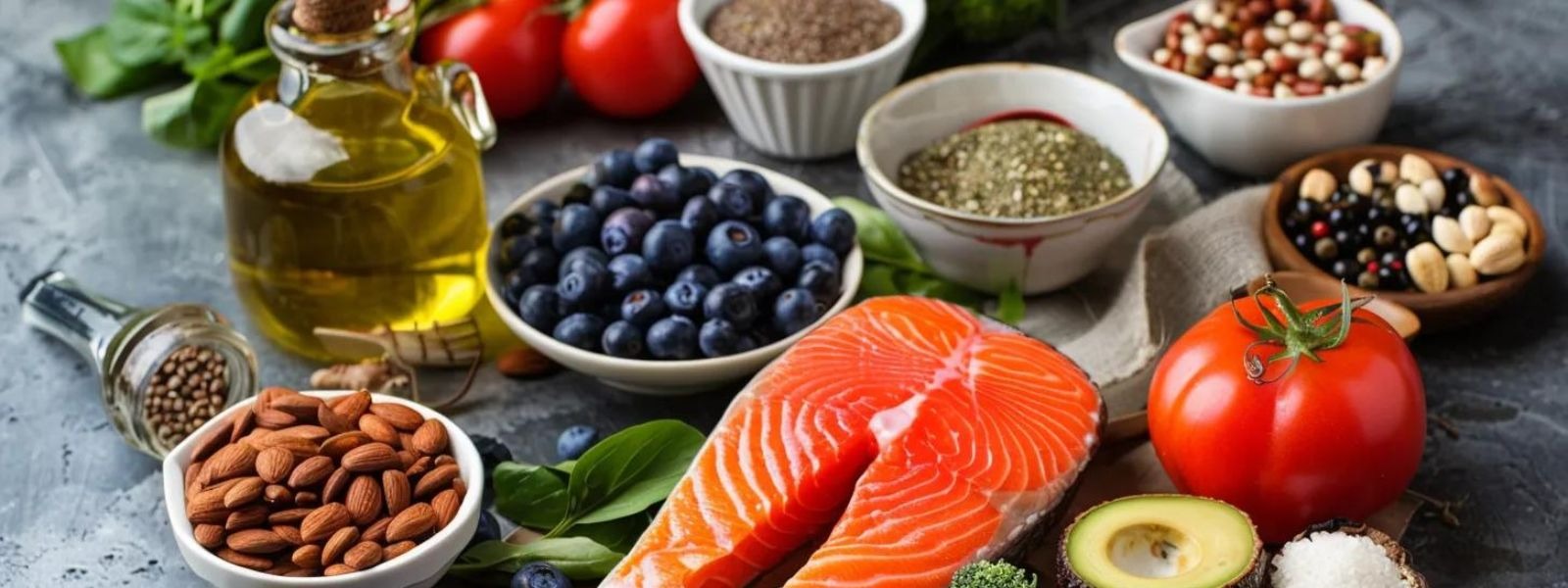
Now let's look at the best foods for reducing estrogen. These foods support your liver, feed good gut bacteria, and help move estrogen out of your body.
Cruciferous vegetables are superstars for estrogen balance. They contain special compounds called glucosinolates. When you chew and digest these vegetables, glucosinolates turn into indole-3-carbinol (I3C) and diindolylmethane (DIM).
Research shows that these compounds help your liver break down estrogen more safely. They push estrogen metabolism toward healthier pathways, which may lower the risk of estrogen-related problems.
The best cruciferous vegetables to eat include:
Try to eat one to two cups of these vegetables daily. You can steam, roast, or stir-fry them. Lightly cooking cruciferous vegetables makes them easier to digest while keeping their helpful compounds intact. If you have thyroid issues, cooking these vegetables is especially important.
Fiber is essential for getting rid of excess estrogen. It binds to estrogen in your gut and carries it out through your stool. Without enough fiber, estrogen can get reabsorbed back into your body.
The Academy of Nutrition and Dietetics recommends women eat at least 25 grams of fiber per day. Most people eat far less than this. Adding more fiber-rich foods can help your body clear estrogen more efficiently.
Great high-fiber foods include:
Start adding fiber slowly if you are not used to eating much. Drink plenty of water too. This helps fiber move through your system smoothly.
Flaxseeds deserve special attention. They contain lignans, which are plant compounds that can help balance estrogen in your body. Lignans may block some estrogen receptors and support healthy estrogen metabolism.
One tablespoon of ground flaxseed per day is a good goal. You can add it to smoothies, oatmeal, yogurt, or salads. Always choose ground flaxseed or grind whole seeds yourself. Whole flaxseeds pass through your body without being digested.
Store ground flaxseed in the refrigerator to keep it fresh. The healthy fats in flax can go bad quickly at room temperature.
Dark leafy greens like spinach, kale, and Swiss chard support estrogen balance in several ways. They provide fiber for gut health. They contain antioxidants that protect your liver. They also supply folate and other B vitamins needed for estrogen metabolism.
Aim for two to three servings of leafy greens per week at minimum. More is even better. You can add them to salads, smoothies, soups, and stir-fries.
Since your liver does the hard work of breaking down estrogen, eating foods that support liver health makes sense. These foods provide nutrients your liver needs and help it function better.
Foods that support your liver include:
Adding these foods regularly can help your liver process estrogen more efficiently. Learn more about how holistic approaches support overall wellness.
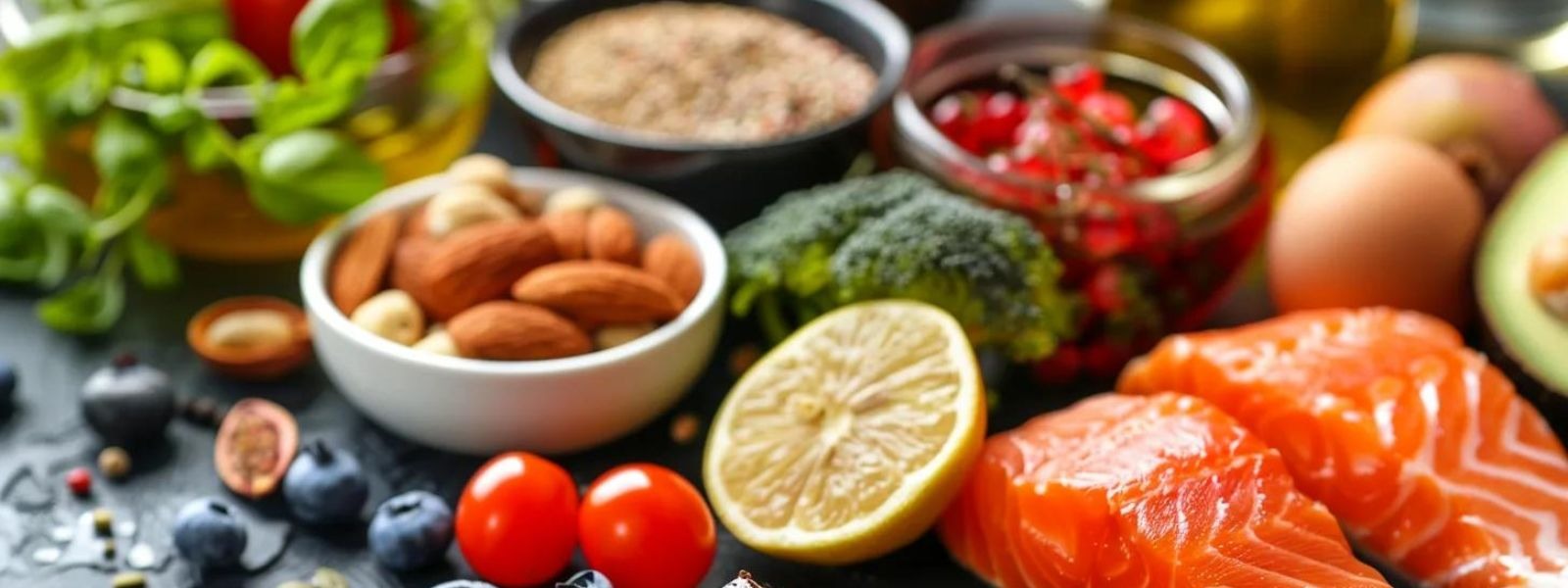
Eating enough protein matters for estrogen metabolism. Your liver uses amino acids from protein during phase 2 detoxification. Without enough protein, your liver cannot package estrogen properly for removal.
Good protein sources include:
Try to include protein at each meal. This also helps you feel full and supports healthy weight, which matters for estrogen balance. Fat cells make estrogen, so maintaining a healthy weight helps keep estrogen levels in check.
Your gut microbiome plays a key role in estrogen metabolism. Scientists have even given a name to the collection of gut bacteria that handle estrogen: the estrobolome.
When your gut bacteria are balanced, they help you eliminate estrogen properly. When gut bacteria are out of balance, they may cause estrogen to recirculate instead of leaving your body.
Fermented foods contain beneficial bacteria that support gut health. These foods may help keep your estrobolome working well.
Try adding these fermented foods:
Eating fermented foods regularly feeds the good bacteria in your gut. This supports proper estrogen elimination. For more on digestive health, visit our page about digestive issues.
Prebiotics are types of fiber that feed your good gut bacteria. When you eat prebiotic foods, you help beneficial bacteria grow and thrive.
Good prebiotic foods include:
Combining prebiotic and probiotic foods gives your gut the best support for handling estrogen.
What you drink matters too. Some beverages support estrogen metabolism while others can make things worse.
Green tea contains antioxidants that support liver function and may help with estrogen metabolism. Research suggests that people who drink green tea regularly may have healthier estrogen levels.
Dandelion tea traditionally supports liver health. It may help your liver process estrogen more efficiently.
Water is essential. Staying hydrated helps your liver and kidneys work properly. It also supports regular bowel movements, which are needed to remove estrogen.
Alcohol taxes your liver and interferes with estrogen breakdown. Even moderate drinking can affect how well your liver processes hormones. Reducing alcohol intake gives your liver more capacity to handle estrogen.
Too much caffeine may also affect estrogen levels in some people. If you notice symptoms worsen with coffee, try reducing your intake.
Just as some foods help lower estrogen, others can raise it or interfere with estrogen metabolism.
Highly processed foods often contain additives and preservatives that may act like estrogen in your body. They also tend to lack fiber and nutrients your body needs to process hormones properly.
Limit foods like:
Eating too much sugar can lead to insulin resistance. This affects estrogen in two ways. First, it increases an enzyme called aromatase that converts other hormones into estrogen. Second, it decreases a protein called sex hormone binding globulin, which means more free estrogen circulates in your body.
Cut back on:
Research links diets high in red and processed meats with higher estrogen levels. These foods are also associated with increased breast cancer risk.
You do not need to avoid red meat completely. However, treating it as an occasional food rather than an everyday staple may help with estrogen balance. When you do eat meat, choose organic, grass-fed options when possible.
Beyond food, you absorb estrogen-like chemicals from your environment. These are called xenoestrogens. They come from plastics, pesticides, and many personal care products.
While not a food issue directly, reducing xenoestrogen exposure supports your overall estrogen balance.
Avoid plastic food containers, especially for hot foods. Use glass or stainless steel instead.
Choose organic produce when possible, especially for items on the "Dirty Dozen" list. This reduces pesticide exposure.
Check your personal care products for hormone-disrupting chemicals like parabens and phthalates. The Environmental Working Group's Skin Deep database rates product safety.
Filter your drinking water. Many municipal water supplies contain hormone-disrupting chemicals.
Learn more about environmental factors affecting health.
Here is what a day of eating might look like when focusing on foods that help lower estrogen:
Breakfast: Overnight oats made with rolled oats, ground flaxseed, chia seeds, almond butter, and berries. Green tea on the side.
Lunch: Large salad with mixed greens, chickpeas, broccoli, carrots, and olive oil dressing. Water with lemon.
Snack: Apple slices with a handful of almonds.
Dinner: Baked salmon with roasted Brussels sprouts, cauliflower, and quinoa. Topped with garlic and herbs.
Evening: Cup of dandelion tea.
This day provides plenty of fiber, cruciferous vegetables, healthy protein, and liver-supporting foods. It avoids processed foods and added sugars.
While food is powerful, other habits support estrogen balance too.
Physical activity helps your body process and eliminate estrogen. It also supports healthy weight, reduces stress, and improves gut function. Aim for at least 150 minutes of moderate activity per week.
Poor sleep affects hormone balance, including estrogen. Most adults need seven to nine hours per night. Creating a consistent sleep routine supports overall hormonal health. If you struggle with sleep, check out our resources on sleep disorders.
Chronic stress increases cortisol, which can throw off your estrogen-progesterone balance. Finding healthy ways to manage stress supports hormone health. This might include meditation, yoga, time in nature, or hobbies you enjoy.
Read more about how stress impacts mental health.
This might sound basic, but daily bowel movements are essential for estrogen elimination. If you are not going at least once a day, estrogen can get reabsorbed. Fiber, water, exercise, and stress management all help keep things moving.
Diet changes can make a real difference in estrogen balance for many people. However, some situations need professional guidance.
Consider seeing a healthcare provider if:
A naturopathic doctor or integrative medicine practitioner can run hormone tests and create a personalized plan. They may recommend specific supplements, further testing, or other treatments based on your unique situation.
At Cutler Integrative Medicine, we take a root-cause approach to hormonal imbalances. This means looking at the whole picture of your health, not just one symptom.
Getting rid of excess estrogen naturally starts with what you put on your plate. Cruciferous vegetables, high-fiber foods, and liver-supporting nutrients give your body what it needs to process and eliminate estrogen efficiently. At the same time, reducing processed foods, sugar, and environmental toxins lessens the burden on your system.
These changes do not happen overnight. Start by adding one or two servings of cruciferous vegetables daily. Gradually increase your fiber intake. Swap out processed foods for whole foods when you can. Small, consistent changes add up over time.
If you are struggling with symptoms of hormonal imbalance and want personalized guidance, our team at Cutler Integrative Medicine is here to help. We combine naturopathic wisdom with modern testing to find the root cause of your concerns and create a plan that works for your life.


.png)




.avif)
Cutler Integrative Medicine blends naturopathic and conventional care to treat the root causes of illness. Through personalized wellness plans, advanced diagnostics, and holistic therapies.
.avif)
.avif)
Copyright © 2025 Cutler Integrative Medicine. All Rights Reserved.
.avif)



.png)


.avif)
.avif)

.avif)
