.avif)



.avif)


.webp)


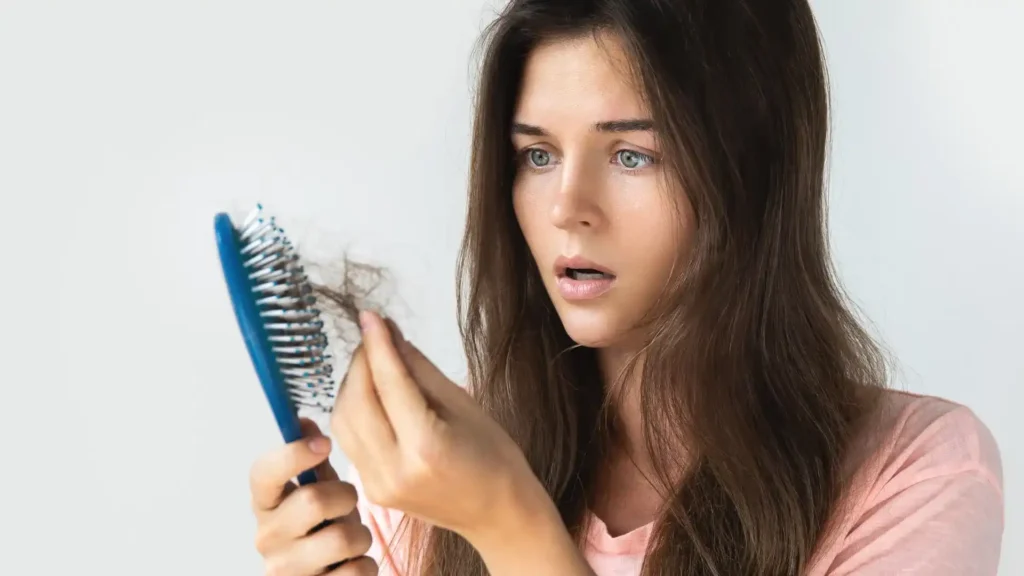
Hormone replacement therapy (HRT) can either improve or trigger hair loss depending on the specific hormones used and your individual body chemistry. Estrogen supports the active growth phase of hair and protects follicles from thinning. Testosterone and certain synthetic progestins, on the other hand, can convert into dihydrotestosterone (DHT), a compound that shrinks hair follicles and leads to gradual thinning. Temporary shedding can also occur during the first few months of HRT as hormone levels adjust. Up to 40% of women experience some degree of hair loss during and after menopause, according to trichology experts, and the relationship between HRT and hair is more complex than most people realize. This blog explains how different hormones affect your hair, whether HRT helps or hurts, what hormonal hair loss looks like, and what you can do to protect and regrow your hair during the menopausal transition.
Hormone replacement therapy affects hair loss by changing the balance of estrogen, progesterone, and androgens in the body, which directly influences the hair growth cycle at the follicle level. Hair follicles are hormone-sensitive tissue. Each follicle cycles through four phases: anagen (active growth, lasting 2-7 years), catagen (transition, lasting 2-3 weeks), telogen (resting, lasting 2-4 months), and exogen (shedding). At any given time, 85-90% of hair on the head is in the anagen phase, according to clinical dermatology research.
Estrogen extends the anagen phase, keeping more follicles in active growth for a longer period. When estrogen declines during perimenopause and menopause, the anagen phase shortens and more hair shifts into the telogen (resting) and exogen (shedding) phases simultaneously. The result is thinner, finer hair and increased shedding. Replacing estrogen through HRT can restore some of that protective effect on the growth cycle.
Androgens, particularly DHT, produce the opposite effect. DHT binds to receptors on genetically susceptible hair follicles and causes them to miniaturize, meaning the follicle shrinks and produces increasingly thinner, shorter hairs with each growth cycle. DHT is a breakdown product of testosterone. When HRT formulations include testosterone, or when synthetic progestins have androgenic properties, DHT production can increase and worsen thinning on the scalp. A hormonal imbalance between estrogen and androgens is the primary driver of menopausal hair loss, and the specific formulation of HRT determines whether the therapy tips the balance toward hair protection or hair thinning.
Yes, hormone replacement therapy can cause hair loss in some people, particularly when the formulation includes testosterone or synthetic progestins with androgenic activity. Not everyone on HRT experiences hair changes. The outcome depends on your genetic sensitivity to DHT, the type of hormones in your regimen, and the dose. Medical News Today reports that HRT-related hair loss often appears as gradual thinning around the crown and part line, and the severity varies between individuals.
Adjustment shedding is another way HRT can cause temporary hair loss. When hormone levels change suddenly, whether from starting HRT, stopping it, or switching formulations, the body can respond with a wave of telogen effluvium (TE). Telogen effluvium pushes a larger-than-normal percentage of hair follicles into the resting phase at the same time, resulting in noticeable shedding 2-4 months after the hormonal shift. TE from HRT adjustments typically resolves within 3-6 months once hormone levels stabilize.
Bioidentical hormone therapy is less likely to cause hair loss than synthetic hormone formulations because bioidentical hormones are molecularly identical to the hormones your body produces naturally. Bioidentical hormone therapy uses plant-derived estradiol and micronized progesterone that match human hormone structure exactly. Micronized progesterone does not carry the androgenic side effects that some synthetic progestins do. Synthetic progestins like medroxyprogesterone acetate (MPA) and norethindrone can have testosterone-like activity in some women, which increases DHT production and can contribute to follicle miniaturization.
The distinction between bioidentical and synthetic formulations matters significantly for hair outcomes. We always evaluate which type of progesterone a patient is taking when hair thinning appears alongside HRT use, because switching from a synthetic progestin to micronized progesterone often resolves the issue without requiring any change to the estrogen component.
Natural micronized progesterone does not typically cause hair loss, but certain synthetic progestins can contribute to thinning in women who are genetically susceptible to androgenic effects. Progesterone itself may actually help protect hair by blocking the enzyme 5-alpha reductase, which converts testosterone into DHT. When progesterone levels are adequate, less testosterone gets converted into the follicle-damaging DHT compound. Synthetic progestins, however, do not share this protective mechanism and can mimic androgen activity in some women. Rapid changes in progesterone levels, from starting, stopping, or adjusting a formulation, can also trigger temporary telogen effluvium.
Yes, hormone replacement therapy helps with hair loss for many women by restoring the estrogen that protects hair follicles and extending the active growth phase of the hair cycle. Research published in the International Journal of Women's Dermatology suggests that HRT may improve hair density for some women, though clinical evidence remains limited and results vary by individual. A study of 285 women on testosterone therapy published in the International Journal of Clinical Practice found that 63% of those with prior hair thinning reported regrowth on therapy. The benefit depends heavily on the specific hormones used, the delivery method, and whether the hair loss is driven primarily by estrogen deficiency or by androgenic factors.
Between 40% and 60% of women experience hair loss during menopause, according to researchers at VCU Health. A 2022 cross-sectional study published in the journal Menopause found that 52% of postmenopausal women had some degree of female pattern hair loss (FPHL). The longer the time since menopause, the higher the likelihood of FPHL. HRT addresses the hormonal root of this progression by restoring estrogen to a protective level. The benefits of HRT extend beyond hair to include bone protection, mood support, and cardiovascular health, which means the decision to start therapy considers the whole person, not just the scalp.
HRT can reverse thinning hair in some women, particularly when the thinning is caused by estrogen deficiency rather than advanced follicle miniaturization from DHT. Women whose hair loss is primarily driven by the estrogen drop of menopause tend to see the most improvement from estrogen-based HRT. Hair stabilization, meaning the shedding slows or stops, is the most common outcome. Visible regrowth of thicker hair is possible but takes time and is typically modest rather than dramatic. HRT works best for hair when combined with targeted scalp treatments and nutritional support rather than used as a standalone hair treatment.
Hair may grow back after starting estrogen therapy, but the degree of regrowth depends on how long the hair loss has been present and whether the follicles have permanently miniaturized. Follicles that have been dormant for a short time respond better to hormonal restoration than follicles that have been inactive for years. Estrogen extends the anagen phase and supports thicker hair shaft production, which means existing hairs may grow longer and fuller even if the total number of active follicles does not increase dramatically. Most women describe the improvement as "my hair feels more like it used to" rather than a return to their 20s-level density.
Hair loss from low estrogen looks like gradual, diffuse thinning across the top of the head, a widening part line, a smaller ponytail, and finer hair texture, rather than distinct bald patches. This pattern is called female pattern hair loss (FPHL), also known as androgenetic alopecia. FPHL affects approximately 30 million women in the United States, according to the Cleveland Clinic. The hairline usually stays intact, which distinguishes female pattern hair loss from male pattern baldness.
Low estrogen hair loss develops slowly over months or years. Many women first notice more hair in the shower drain or on their brush before they see visible thinning in the mirror. The hair that does grow comes in finer and shorter than before, because shortened anagen phases produce thinner shafts that break more easily. Hair grows approximately 1 centimeter per month during the anagen phase, according to trichology research, so changes in growth rate become noticeable gradually. Over 70% of women aged 70 and older experience some degree of hair loss, according to the My Menopause Centre, reinforcing that this is a progressive condition tied to cumulative estrogen decline.
Hair thinning is likely hormonal if it follows a diffuse pattern on the top of the head, coincides with other menopause or perimenopause symptoms, and lacks an obvious external trigger like illness, surgery, or medication change. Hormonal hair thinning typically presents alongside at least one of the following signs:
Blood work helps confirm the hormonal connection. Testing estradiol, testosterone, free testosterone, DHT, DHEA-S, thyroid markers (TSH, free T3, free T4), ferritin, and vitamin D provides a comprehensive picture of what is driving the hair loss. We run these panels routinely for patients who present with hair thinning, because the cause is rarely a single hormone. Multiple factors often overlap, and identifying each one is what allows us to build an effective treatment plan.
Yes, perimenopause can cause hair loss because the erratic hormone fluctuations of perimenopause disrupt the hair growth cycle before menopause is even confirmed. During perimenopause, estrogen levels spike and drop unpredictably rather than declining in a smooth curve. These sharp fluctuations can trigger telogen effluvium, pushing more follicles into the resting phase than normal. Perimenopause-related hair loss often catches women off guard because they may not yet realize they are in the menopausal transition.
Perimenopause also depletes nutrients that support healthy hair growth. Iron, zinc, vitamin D, B vitamins, and protein demands can increase during this transition. Nutrition and weight management strategies that address these depletions can slow or stop perimenopause-related shedding even before hormonal therapy is introduced. A thorough evaluation that includes both hormone and nutrient testing identifies the exact combination of factors causing the hair loss.
The best HRT for thinning hair is transdermal estradiol combined with micronized progesterone, because this combination supports the hair growth cycle without introducing androgenic side effects that worsen follicle miniaturization. Transdermal estradiol (delivered through a patch or gel) restores estrogen at the follicle level while bypassing the liver, which reduces the risk of blood clots compared to oral estrogen. Micronized progesterone protects the uterus and may also inhibit DHT production through its effect on 5-alpha reductase.
The formulation to avoid for hair is any HRT regimen that includes synthetic progestins with androgenic activity, such as norethindrone or levonorgestrel. Testosterone should be used cautiously and only when clinically indicated for symptoms like severely low libido or chronic fatigue that does not respond to estrogen and progesterone alone. If testosterone is included, close monitoring of DHT levels and scalp response is essential. A study published in the International Journal of Clinical Practice found that 92% of women on testosterone therapy reported increased facial hair, which signals elevated androgen activity that could also affect the scalp.
We use bioidentical hormones exclusively for hormone optimization at our practice because the molecular match to human hormones produces fewer side effects and a more predictable response at the hair follicle level.
HormoneEffect on HairBest Formulation for HairRisk to HairEstrogen (Estradiol)Extends anagen phase, protects folliclesTransdermal patch or gelLow; adjustment shedding possible initiallyProgesteroneMay block DHT conversionMicronized (bioidentical) progesteroneSynthetic progestins may have androgenic effectsTestosteroneCan support or damage hair depending on dose and geneticsLow-dose with DHT monitoringHigh in genetically susceptible women; DHT miniaturizes folliclesDHEAConverts to both estrogen and testosteroneLow-dose with lab monitoringModerate; excess can increase androgen load
The data in this comparison reflects clinical findings from the International Journal of Women's Dermatology, the International Journal of Clinical Practice, and dermatology practice guidelines for menopausal hair management. The critical takeaway is that not all HRT formulations affect hair equally, and the right combination depends on your individual hormone levels and genetic predisposition.
You avoid hair loss on HRT by choosing hair-friendly formulations, monitoring hormone levels regularly, supporting hair nutrition, and addressing any androgenic activity early. The following steps reduce the risk of HRT-related thinning:
You stop estrogen hair loss by restoring estrogen to a level that supports the anagen phase, while simultaneously addressing any contributing factors like thyroid dysfunction, nutrient deficiency, or stress. Estrogen-based HRT is the most direct way to replace the estrogen that declining ovarian function no longer provides. Functional medicine testing identifies whether the estrogen decline is the primary driver or whether thyroid, iron, vitamin D, or cortisol imbalances are contributing. Treating only one factor when multiple are present produces incomplete results.
You increase estrogen for hair growth through HRT (the most effective option), phytoestrogen-rich foods, lifestyle modifications that support natural estrogen production, and stress reduction. Phytoestrogens found in soy, flaxseed, and sesame seeds provide mild estrogenic activity that may support hair health for women who cannot or choose not to take prescription HRT. Regular exercise supports healthy hormone metabolism. Reducing alcohol and maintaining a healthy body weight prevents excess estrogen conversion to harmful metabolites. We take an integrative approach through naturopathic medicine that combines hormonal support with nutritional and lifestyle strategies for the best hair outcomes.
HRT takes 3-6 months to stabilize shedding and 6-12 months to produce visible improvement in hair density and texture. Hair grows approximately 1 centimeter per month, so even after follicles re-enter the anagen phase, it takes months before the new growth reaches a length that is visually noticeable. The first sign of improvement is usually a reduction in the amount of hair falling out, which most women notice within 2-4 months of starting estrogen therapy. Thicker, stronger new growth follows over the next several months.
Patience is essential. Hair operates on a much slower timeline than other menopause symptoms like hot flashes, which can improve within weeks. Women who combine HRT with topical minoxidil and nutritional optimization tend to see faster and more substantial results than those using HRT alone. At our Bingham Farms, Michigan practice, we track progress with symptom surveys and lab work at regular intervals to confirm that the treatment plan is producing the expected response.
Hair loss from HRT is usually not permanent when it is caused by telogen effluvium (adjustment shedding), which resolves within 3-6 months after hormone levels stabilize. Telogen effluvium is a temporary condition triggered by the sudden change in hormone levels that occurs when starting, stopping, or switching HRT formulations. The follicles are not damaged; they simply shift into a prolonged resting phase and then resume normal cycling once the hormonal environment stabilizes.
Hair loss that results from chronic DHT-driven follicle miniaturization is more difficult to reverse, especially if it has been present for years. Miniaturized follicles that have been shrinking over a long period may not fully recover even with hormonal optimization. Early intervention produces the best outcomes. The sooner hormonal changes are addressed, the more follicles remain viable for regrowth.
Yes, you can regrow hormonal hair loss in many cases, especially when treatment addresses the hormonal root cause alongside targeted scalp therapies and nutritional support. The most effective regrowth strategies combine hormonal optimization (estrogen-based HRT with bioidentical formulations) with topical minoxidil, which stimulates follicle activity independent of hormonal pathways. Anti-androgen medications like spironolactone or finasteride can block DHT at the follicle level in women with androgenetic alopecia. Nutritional support with iron, zinc, vitamin D, biotin, and adequate protein provides the building blocks follicles need to produce healthy hair shafts.
Hormone optimization through comprehensive testing and personalized treatment addresses the root cause of hormonal hair loss rather than masking it with surface-level products. Women who address the underlying aging and hormonal shifts driving their hair loss produce more sustainable, long-term results than those who rely on topical treatments alone.
Dihydrotestosterone (DHT) is the primary androgen responsible for shrinking hair follicles in both men and women with genetic susceptibility. DHT binds to androgen receptors on the hair follicle and gradually reduces the size of the follicle, the thickness of the hair shaft, and the duration of the growth phase. Testosterone converts into DHT through the enzyme 5-alpha reductase. Women with higher levels of 5-alpha reductase activity or greater follicle sensitivity to DHT are more likely to experience hair thinning from androgen exposure, including from HRT formulations that contain testosterone.
Menopause hair loss can partially grow back with proper treatment, especially when caught early. Hair lost to telogen effluvium typically regrows once the triggering hormonal shift stabilizes. Hair lost to progressive follicle miniaturization from DHT may not fully return, but treatments like minoxidil, DHT blockers, and hormonal optimization can slow progression and restore some density. A study published in the journal Menopause found that 52% of postmenopausal women had some degree of female pattern hair loss, confirming that this is a common condition that responds to intervention.
Yes, temporary hair shedding (telogen effluvium) can occur in the first 2-4 months after starting HRT as the body adjusts to new hormone levels. This adjustment shedding typically resolves within 3-6 months and does not indicate that HRT is wrong for you. Normal daily shedding is 50-100 hairs. Shedding beyond that range after starting HRT is worth monitoring, and if it persists beyond 6 months, a formulation review with your provider is appropriate.
Yes, HRT helps with bone loss by restoring estrogen, which inhibits the bone-resorbing activity of osteoclast cells. Estrogen-based HRT reduces fracture risk at all bone sites by 20-40%, according to meta-analyses cited by the International Osteoporosis Foundation. Bone protection is one of the strongest evidence-based benefits of HRT and is often a primary reason women continue therapy beyond symptom management. Hair and bone share a common dependency on estrogen, so the same hormonal optimization that protects the skeleton also supports the hair growth cycle.
The nutrients most important for hair growth during menopause include iron (supports oxygen delivery to follicles), ferritin (stored iron, optimal levels above 40 ng/mL for hair), vitamin D (follicle cycling depends on adequate D3 levels), zinc (supports keratin production), biotin (B7, supports hair shaft structure), omega-3 fatty acids (reduce scalp inflammation), and protein (hair is made of keratin, a protein). Deficiencies in any of these nutrients can compound hormonal hair loss and make HRT less effective for hair improvement.
Hormone replacement therapy and hair loss have a complicated relationship. HRT can protect your hair by restoring the estrogen your follicles need to stay in the growth phase, or it can worsen thinning if the formulation introduces androgenic activity that increases DHT. The difference comes down to which hormones are used, how they are dosed, and how your body processes them. Comprehensive hormone testing, careful formulation selection, and ongoing monitoring are what separate a hair-supportive HRT protocol from one that contributes to more shedding.
At Cutler Integrative Medicine, we evaluate the full picture, including hormones, nutrients, thyroid function, and lifestyle factors, before recommending any hormone therapy. If you are experiencing hair thinning and want to understand whether your hormones are the cause, we can help. Call us at (248) 663-0165 to schedule a consultation.


.png)




.avif)
Cutler Integrative Medicine blends naturopathic and conventional care to treat the root causes of illness. Through personalized wellness plans, advanced diagnostics, and holistic therapies.
.avif)
.avif)
Copyright © 2025 Cutler Integrative Medicine. All Rights Reserved.
.avif)


.png)
%20Therapy.jpg)

.avif)
.avif)

.avif)
